Product strategy, design and build · for founders, SaaS and AI teams
Great products start with clear decisions.
Turn an unclear idea into a product that people understand. You get the right scope, flows that make sense, and working software built with AI.
- 10+ yrs
- shaping SaaS and AI products
- 2 live products
- designed and built end to end
Riskiest assumption to test first: will parents enquire?
Live at p5n.in
- Discovery and search
- Provider profiles
- Lead capture
- Online payments
- Booking
- Chat
Live months earlier
- Data
- Vector DB
- Agent
- Workflow
- Output
Non-technical users build on their own
- Smart defaults pre-filled
- No phone number, no app store
- Reports never mixed with measured AQI
Live, 70 automated tests
Outcomes
Results, not deliverables
A product that makes sense before it gets built
The problem, the user and the MVP line, written down. Your team and your AI tools build from the same page.
Seen in p5n →Flows people understand the first time
Onboarding and core journeys designed around how users think, not how the database is shaped.
Seen in AgentCloud →Working software, not only Figma files
Designed and built with AI. Real, deployed products you can put in front of users.
Seen in Airkind →Fewer expensive rebuilds
The risky parts get tested first. What doesn't earn its place gets cut, on paper, before anyone codes it.
Seen in Theoria →Complex products made calm
Data-heavy SaaS and AI systems restructured so the important thing is obvious and the power stays.
Seen in Monita →Product decisions that fit the business
Supply, operations, trust and onboarding are designed together with the screens, because that's where products stall.
Seen in p5n →
The thinking, up close
Inside a real project
The working documents behind p5n, a live kids' activity marketplace. This is the clarity you get before a single screen is drawn.
Read the p5n case studyProblem
Parents find classes for their kids through Google, WhatsApp groups, Instagram and word of mouth. There's no single place to compare trusted options.
Who it's for
Parents on their phones. An internal team curating providers at a desk. Later, providers themselves.
The bet
If discovery is easy and listings are real, parents will enquire. Prove that before building payments.
Principles
Solve one problem well. Reduce decision effort. Trust over quantity. Prevent bad data instead of fixing it later.
In the first release
- Discovery: curricular and extracurricular
- Search and filters by area
- Provider profiles with batches and fees
- Lead capture
- Ratings
- Internal admin panel
Deliberately left out
- Online payments
- Booking
- Chat and notifications
- Provider self-registration
- Subscriptions
- AI recommendations
Every cut item answers a later question. None of them answers "will parents enquire?", so they wait.
- D01Mobile-first for parents, desktop-first for the adminAccepted
Two audiences, two deliberate layouts, one codebase.
- D02Providers are onboarded by people before any self-serve portalAccepted
Most providers would never fill a sign-up form.
- D03"Onboarded" means the provider approved, via a one-time emailed linkAccepted
The provider confirms their own profile, so it's trustworthy.
- D04Real provider photos only, never stockAccepted
Trust is the product. Featured placement needs real imagery.
- D05Featured status is calculated from dates and payment, never storedAccepted
No one can forget to switch a featured listing off.
- D06Prices on discovery come only from real batch feesAccepted
Parents never see a price that isn't bookable.
Parent · mobile
- Home
- Curricular or extracurricular?
- Discover by area and activity
- Provider profile
- Enquire
Provider · field team
- Onboarder adds the lead
- Builds the profile
- Sends a one-time approval link
- Provider approves
- Published
The product only works if both rows work. The second row is ops design: who does what, and how they get paid for approvals.
How a project runs
Four stages. Each one ends with something you can hold.
- 01Stage
Frame
Calls, your docs, a look at competitors, a hard look at scope.
- Product brief
- MVP cut
- Success signals
- 02Stage
Shape
Journeys and flows, tested as clickable or coded prototypes.
- Flow map
- Prototype
- Decision log
- 03Stage
Build
The interface, or the whole product, built with AI in short loops.
- Design system
- Working app
- Deployment
- 04Stage
Learn
Launch, watch what real people do, decide what's next with evidence.
- Launch checklist
- Iteration plan
You can start at any stage. Some clients only need Frame. Others bring a half-built product and start at Build.
Proof
Results from real products
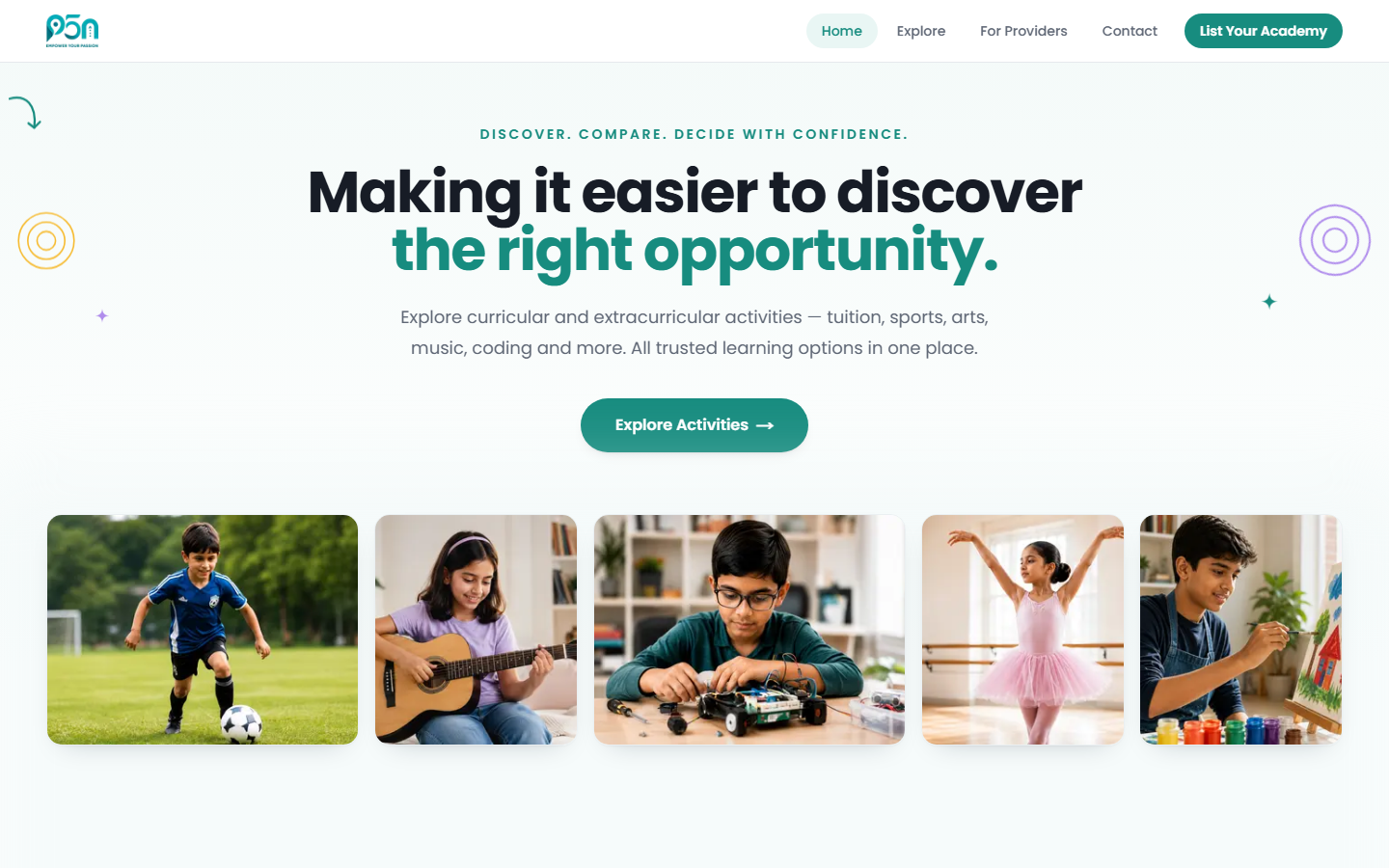
p5n
From a founder's idea to a live marketplace, designed and built end to end.
If discovery is easy and every listing is real, parents will enquire. Prove that before building payments or booking.
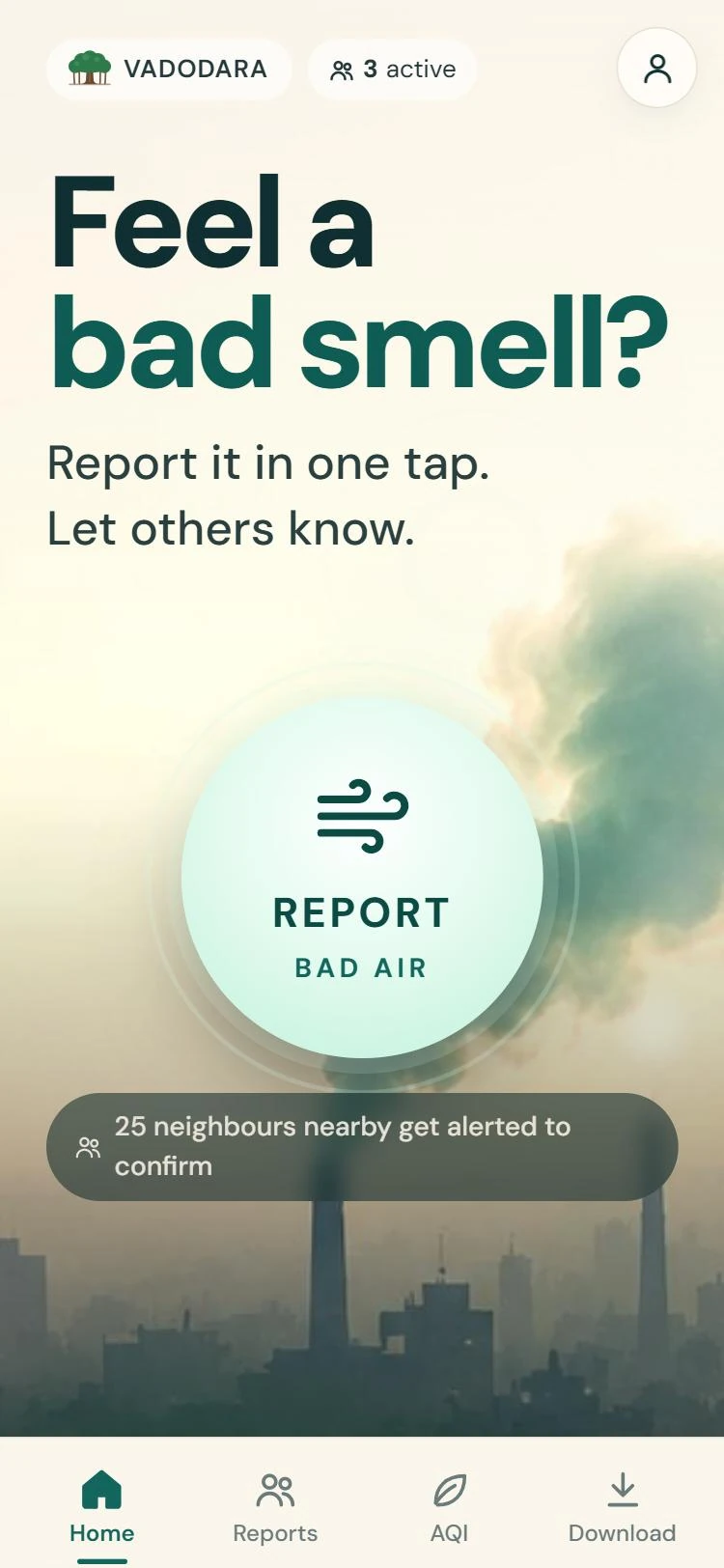
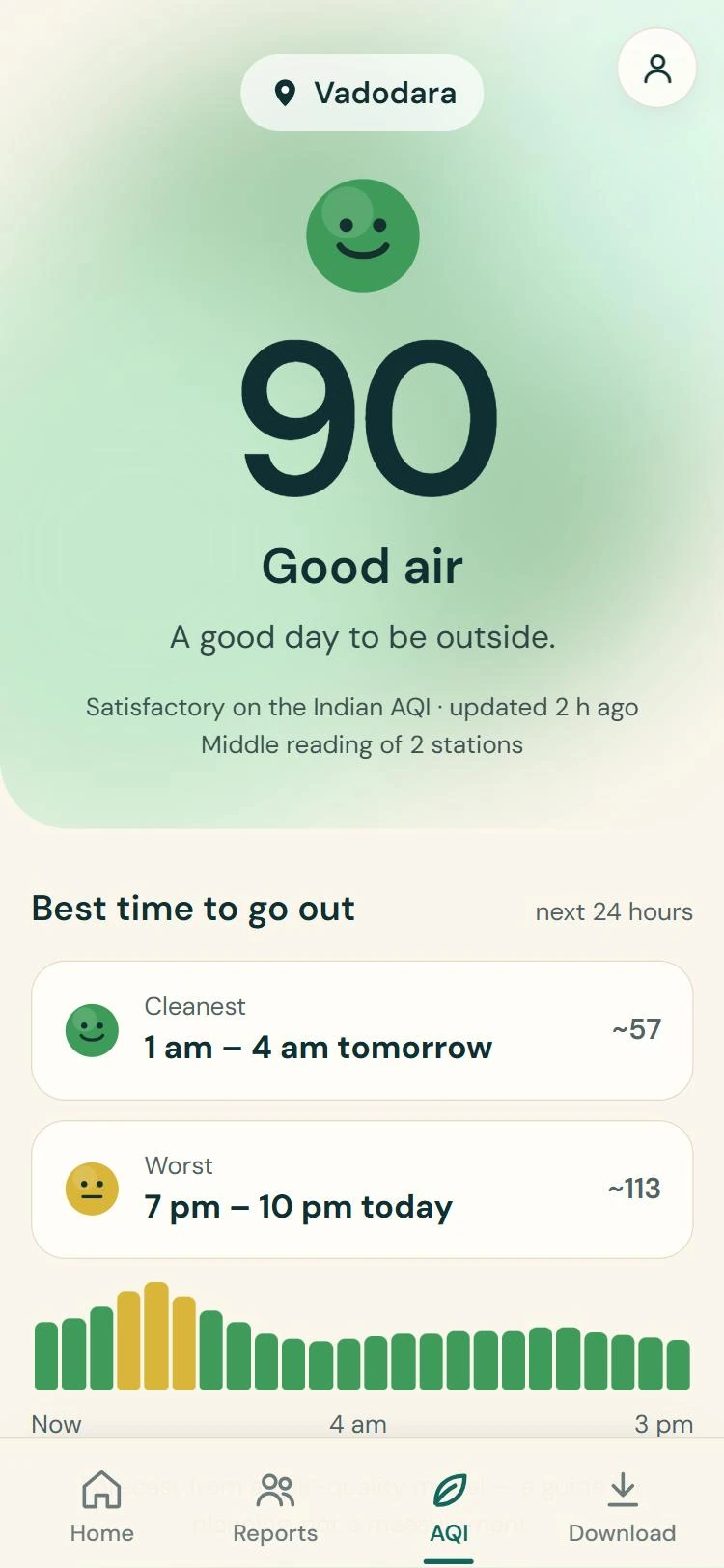
Airkind
Turning “the air smells bad again” into public evidence a city can't ignore.
If reporting takes one tap and neighbours can confirm it, scattered complaints become evidence people can't ignore.
More case files
 Visual agentic AI platform
AgentCloud
Making AI agents understandable to people who don't write code.
Shipped · 2024–25Read →
 Tag monitoring SaaS
Monita
A noisy, data-heavy dashboard redesigned so critical issues stand out at a glance.
Shipped · 2024–25Read →
 Orthodox Christian prayer app
Theoria
From a one-line idea to a complete, build-ready faith product, with a content system built to last.
In development · 2025Read →
Research
Agentic UX Playbook
Tested patterns for AI agents people can trust, built from real projects and research.
Ways to work together
Wherever your product is, start there.
A blank page, a half-built app, or just a question. Pick the one that sounds like you.
- Service 01End to end
Product partner
From the first idea to a live product. I work out the problem and the scope with you, design the flows, and build it with AI.
Good ifFounders with an idea, a voice note or a pitch deck, and no product yet.
- Product brief
- MVP cut
- Flows and prototype
- Working, deployed app
- Service 02UX rescue
Fix a vibe-coded app
You already built it with AI tools. It works, but people don’t get it. I find where users get lost and redesign the flows, the structure and the interface.
Good ifTeams with a working app that feels confusing, messy or unfinished.
- UX audit
- Priority fix list
- Redesigned flows
- Cleaner UI, in code or spec
- Service 03Consultation
Shape a product idea
Before anyone builds, we work out how the product should be structured: what goes in, what waits, and how it should look and flow.
Good ifAnyone who wants a clear, experienced view before spending on developers.
- Product structure
- Core flows
- MVP scope
- Next steps
Sound familiar?
What people tell me
Tap the one that’s yours. It goes straight into your note to me.
- End to end“I have an idea and need someone to take it from scratch to a real product.”Ask about this →
- End to end“I’m not sure what to build first and what to leave out.”Ask about this →
- End to end“I’m looking for someone to design and build my MVP.”Ask about this →
- End to end“All I have is a voice note and a messy doc. I want a live app.”Ask about this →
- UX rescue“I vibe coded my app, but the UX isn’t great.”Ask about this →
- UX rescue“People sign up, then never come back. I don’t know why.”Ask about this →
- UX rescue“My AI-built app works, but it doesn’t look professional.”Ask about this →
- UX rescue“Our product grew one feature at a time and now it’s a mess.”Ask about this →
- UX rescue“Non-technical users get stuck in our onboarding.”Ask about this →
- Consultation“I want my product idea structured properly before I pay developers.”Ask about this →
- Consultation“I need someone to sanity-check my scope before I pitch investors.”Ask about this →
- Consultation“We’re building an AI agent and want people to actually trust it.”Ask about this →
Not on the list? Tell me what you need